

Management of Change Series – Finance

You’re the numbers person. The ROI rockstar. The keeper of KPIs, margins, and forecasts. And when it comes to change management, your superpower isn’t rah-rah motivation or lofty vision—it’s proof. Cold, hard, data-backed proof.
In this updated installment of our Management of Change series, we’re looking at what change really means through a finance lens. Spoiler alert: it’s not just about tracking revenue. It’s about aligning financial metrics with strategic goals—and making sure the dollars actually make sense.
So how do you measure success during change?
Great question. Executives may define the “what” and “why” of a change initiative, but you, finance friend, bring the “how do we know it’s working?” That starts with a clear measurement framework.
Here’s a modern 3-step playbook to measure the financial impact of change:
Step 1: Start with a Real Baseline
This isn’t just pulling numbers from last quarter’s P&L. Your baseline should be intentional and aligned to your firm’s specific goals. Want to shorten your billing cycle? Improve backlog reporting? Increase win rate on proposals? Get clear on what you’re measuring—then gather the numbers that show where you are today.
Think: “What’s the story our current data tells—and what plot twist are we hoping this change will deliver?”
Step 2: Set Checkpoints, Not Just Finish Lines
Change isn’t a one-and-done event. It’s a project in and of itself—one that deserves (and demands) ongoing financial monitoring. Regular check-ins on key indicators will help you manage scope creep, track adoption, and avoid unwelcome surprises at go-live.
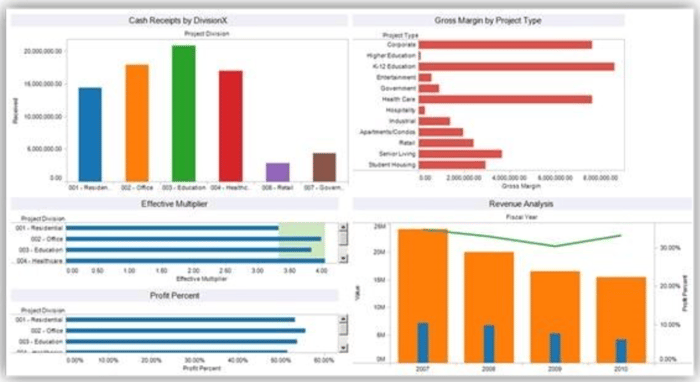
Pro tip: Treat your change initiative like any major project. Build out milestone reviews with accompanying financial check-ins, and use Vantagepoint tools (like dashboards, custom hubs, or budget trackers) to make sure everyone’s aligned and in the loop.
Step 3: Define What Success Really Looks Like
We all love a good ROI percentage. But success isn’t always about hitting an exact number—it’s about hitting a range that proves the effort was worth it. (Because let’s face it, humans are involved, and that means change is never 100% predictable.)
Set a tolerance range. Define what “good enough” looks like in terms of improved efficiency, savings, or output. And yes, make room for measuring user adoption—because even the best system changes will fall flat without employee buy-in.
According to “The ‘harder’ side of change. The What, Why and How of change management’” The consequence of not managing the people side of change, i.e. employees and customers, has “tangible and real financial impact on the health of the organization and the project.” Therefore, set an acceptable level of success and celebrate when you’re within a good range of your numbers.
Bonus: Build in time to reflect on the financial impact of not making the change. That opportunity cost is real—and it deserves just as much attention.
Tools That Help You Track It All
You don’t have to do this alone. Leverage your ERP (hello, Deltek Vantagepoint 👋), real-time dashboards, and reporting automations to keep data flowing and decisions grounded. Pair that with strategic support—whether it’s from your internal team or a partner like us—and you’ll move from reactive to proactive change management.
Even More Than Numbers
Management of change for “finance types” is unquestionably about the numbers. But all good number crunchers know that numbers reflect all sorts of things: More than just bottom line profit/loss, percentage increase, or improved customer satisfaction numbers.
Financial repercussions also must be measured for change that doesn’t occur to account for potential adverse effect of not making a necessary change. Therefore, numbers have to be analyzed reflecting the “opportunity and efficiency costs of NOT making the change both of which also directly impact ROI” as we discussed in our introductory piece to this series.
Bottom line
Bottom Line?
Financial oversight isn’t just about crunching numbers after the fact. It’s about steering the ship during change and helping the organization make smarter, data-backed decisions along the way.
So go ahead, own the role of financial change champion. Just remember: the goal isn’t perfection—it’s progress, backed by proof.
Up next in our series? Project managers, it’s your turn to shine. 🎬



 When Deltek for Professional Services (DPS) 2.0 is released, it will have a new name -
  The accounts payable (AP) process is one of the most important tasks a firm performs daily. Although accounts payable automation is not new technology, it has come a long way over the years. It’s surprising that so many firms have not embraced this technology to improve the AP process. Maybe it’s because they feel doing it manually will be more accurate, or they think their current process is efficient and cost-effective? So, let’s take a look at the benefits of automating the AP process and see if these preconceived notions have merit.
 For many firms, measuring the financial health of their projects requires them to utilize a variety of different analytics and statistics. However, firms often use project invoices as the primary and only measurement to determine the financial health of a project. Although project invoices are an important element in both a project and firm’s concern, they aren’t necessarily a measure of success.
 Financial reports are essential to every organization for providing information about the health of a business to internal stakeholders as well as interested outside parties. For many firms, this is a manual process which requires significant time and resources to collect expense and invoice details, code them to the ledger, and then organize high-level summary information. Your accounting staff shouldn’t be spending their time organizing data, but instead analyzing the data to help your firm make better business decisions.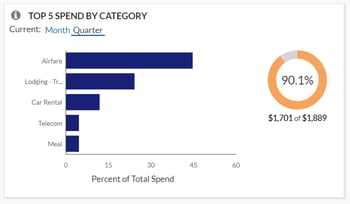
 It is amazing that so many people aren’t even aware of the numerous benefits of using the Deltek Vision Payroll module. For starters, the Payroll module in Vision is a robust application that gives you control over your payroll process that you otherwise wouldn’t have if you used an outside payroll company. It allows you to meet the increasingly complex regulatory requirements by defining taxable wages based on any withholding codes that you create. You can also define how other pay wages impact a withholding calculation. All of this can be done from Payroll Withholding Setup.