Full Sail Partners Blog | A&E Firms

Posts about A&E Firms:

Smarter Pursuits, Better Outcomes: What the 2026 Clarity Study Says About Business Development

Posted by Joel Slater on Jun 11, 2026 12:00:00 AM

2026-DeltekClarity_BusinessDevelopment_banner


Every year, the Deltek Clarity A&E Industry Study gives architecture and engineering firms something concrete to work with: real data from real firms about what's working, what's stalling, and where the industry is heading. The 47th edition surveyed 896 firms of all sizes and types, and the throughline is clear. This isn't a market that rewards guessing or going through the motions. The firms pulling ahead are the ones making intentional, disciplined decisions at every level of the business.

Over the next few weeks, we're breaking down each section of the report. This week: Business Development.

More work, less reward

Here's the headline: firms submitted 32% more proposals in 2025 than they did the year before. That sounds like momentum. But the median capture rate fell 3.8 percentage points to 44.4% — the lowest it's been since 2019 and the sharpest single-year decline in the nine-year trend.

BD activity is rising, but converting pursuits to projects is becoming harder and more complex. The win rate data adds some nuance — the median slipped to 49% industrywide, but architecture firms were the outlier, actually gaining five points to 45%, likely reflecting tighter pursuit selection in a market where design-led work is more relationship-dependent. Almost nobody got easier wins this year.

Capture rate — the dollar value of proposals awarded relative to the dollar value submitted — makes the picture even clearer. Large firms dropped six points to 34%. Medium firms fell three points. The gap between the top quarter of firms (61.3%) and the bottom quarter (30.2%) is 31 percentage points — a spread that has less to do with market conditions and everything to do with how intentionally firms are choosing which work to chase.

High performers bucked the trend entirely, with their capture rate rising 10 percentage points to 59% while everyone else's fell. Same market, same headwinds, meaningfully better returns. The difference isn't luck or firm size or sector mix. It's the discipline to pursue less and win more.

Some of the decline reflects a market shift toward smaller-value projects — the total value of proposals submitted grew 12% while the number grew 32%, pointing to a lower average project value per pursuit. And a lot of it reflects what happens when more firms are chasing the same work in an increasingly crowded market.

The market itself is changing

It's not just that competition is stiffer — it's that the market opportunity itself is evolving.

Data centers debuted as a new category in this year's study and immediately claimed the top spot: 72% of firms expect to grow their position in that sector over the next 18 months. Energy and power held at 57%. These are sectors that barely registered a few years ago and are now driving significant optimism. Meanwhile, transportation dropped nine percentage points and hospitality continues its post-pandemic retreat. The firms best positioned for this environment aren't waiting for their traditional sectors to rebound — they're building credibility in new ones, which takes time, intentional relationship-building, and a clear-eyed view of where the firm can actually win.

Economic uncertainty compounds all of this. It debuted in this year's survey as a new BD challenge and immediately ranked as the top first-choice concern at 19%. The response isn't to slow down — it's to build a deeper pipeline and invest in positioning now rather than reacting when conditions shift.

Go/no-go decisions have never mattered more

Eighty percent of firms say they use a go/no-go process — but how they use it is shifting. Use for strategic opportunities only grew two percentage points to 32%, and use for all opportunities edged up to 38%. Among firms not yet using the process, 49% are now considering adoption, up from 29% the prior year. That's a meaningful signal.

A well-executed go/no-go process isn't a gate to slow things down. It's a filter that protects the firm's most valuable resource: pursuit capacity. As Daphne Bryant of ACEC put it in the report, it does more than filter opportunities — it aligns the firm's resources, expertise, and relationships with the pursuits that are truly winnable and worth winning.

The key word is data. Go/no-go decisions need to be driven by data-based questions — probability of winning, existing relationships, delivery capacity, fit for the work — not instinct or individual preferences. That's where a well-configured Deltek Vantagepoint environment earns its keep: relationship history, prior win/loss patterns, pipeline load, and delivery capacity all in one place. If your team is still making these decisions off a spreadsheet or a whiteboard, we should talk.

Pre-pursuit intelligence is a competitive edge — and AI is changing how firms build it

One of the most interesting data points in this section: lack of intel to position for a win dropped 15 percentage points — the steepest decline on the entire chart. Firms are getting smarter about the information available to them before they pursue, and AI-assisted tools are a big part of why — BD teams and principals are using them to surface opportunities earlier, qualify pursuits faster, find strategic partners and gather more context before committing resources.

But pre-positioning only works if the administrative burden is low enough to make room for it. That's where tools like Informer and Power BI, connected to Deltek Vantagepoint, pay off — surfacing win rates by sector, capture rate trends, and pursuit stage velocity in dashboards BD leaders can actually use day to day. We helped RTM Engineering Consultants build exactly this kind of visibility into their Vantagepoint environment — read how they did it. When your data is connected, your team spends less time hunting for answers and more time acting on them.

Formalizing the process (without making it rigid)

The share of firms with a formal BD process dipped three percentage points to 46% — worth examining but but not panicking over. As the seller/doer model expands and project managers take on more BD responsibility, a rigid step-by-step process often doesn't fit how the work gets done. The goal is practical frameworks — flexible enough to work across different markets and client types, consistent enough to create real pipeline visibility.

Vantagepoint has the infrastructure to support all of this — opportunity stages, pipeline reporting, relationship tracking, proposal history — but most firms are only using a fraction of it because the system wasn't configured with their specific workflow in mind. Full Sail Partners consultants work through exactly this with firms. Check out this demonstration on CRM in Vantagepoint to get the ideas flowing, then let's talk about building it around how your firm actually works.

The seller/doer model is thriving — and putting real pressure on project managers

The blended seller/doer model leads at 48%, and the seller/doer-only model holds second at 40%. Among high performers, seller/doer adoption rose nine percentage points to 55% — the clearest signal that top-performing firms are integrating BD responsibility into technical roles rather than siloing it. The reason is straightforward: clients want to talk to the people who will actually do the work.

But the model comes with real tension. Project managers edged down five percentage points to 14% "almost always responsible" for BD — a pullback that likely reflects what the industry already knows: the demands on PMs are often unrealistic. Cross-training for BD ranked third among top initiatives at 36%, up four points — a positive investment, but training alone doesn't solve a capacity problem.

The firms getting this right build structured time for BD into the PM role. And they invest in reducing friction in the tools. Project managers who can log a contact, update an opportunity stage, or check pipeline status inside the same system where they manage projects are far more likely to actually do it. If your PMs find BD tasks burdensome, that's often a workflow problem more than a motivation one. Our team can help.

The bottom line

The 2026 Clarity data on Business Development tells a consistent story: the environment rewards discipline, not volume. What separates high performers is a sharper, more intentional approach — to which pursuits they chase, how they position for them, and how they deploy the people responsible for bringing work in.

But discipline doesn't come from willpower alone. It comes from having the right data in front of the right people at the right time. That's what a well-configured Deltek Vantagepoint environment delivers — not just a system of record, but a foundation for smarter decisions across the entire BD lifecycle.

Full Sail Partners works with A/E/C firms at every stage — from first-time Vantagepoint implementations to established practices looking to get more out of a system they've had for years. We've seen the full picture, and we know where the gaps tend to show up. If you're ready to make your data work harder for your BD team, let's talk.

Next up in the series: Project Management. We'll dig into how firms are managing delivery pressure, what the data says about the most challenging phases of the project lifecycle, and where technology is creating the biggest opportunities.


Choose Wisely: What the 2026 Deltek Clarity Report Tells Us About Technology in A&E Firms

Posted by Jake Lucas on May 28, 2026 12:00:00 AM

2026-DeltekClarity_TechnologyTrends_banner

Every year, Deltek's Clarity A&E Industry Study gives us something rare: a clear, data-driven look at how architecture and engineering firms are actually running their businesses — what's working, what's not, and where the industry is headed. The 47th Annual Clarity Study surveyed 896 firms of all sizes and types across North America. And this year, one theme runs through every section of the report: intentionality.

Firms aren't just spending — they're choosing. They're not just adopting — they're evaluating. The industry is moving away from reactive decision-making and toward strategic allocation. Quality over quantity. Fit over FOMO. That shift shows up clearly in the Technology Trends section, which is where we're starting this blog series.

The Problem with Shiny

Before we get into the data, here's the reality check that frames everything else.

When firms were asked to identify their top technology challenges over the next three years, three rose to the top:

    • Prioritizing applicable technology trends (61% of firms)
    • Lack of time to invest in learning (51%, up from 43%)
    • Cost of technology (48%)

Read those together and a clear picture emerges: it's not that firms don't want to engage with new technology. It's that the landscape has gotten so crowded — and so loud — that figuring out what actually fits your firm has become its own full-time job. And nobody has time for that full-time job, because everyone is too busy doing their actual full-time jobs.

Think about where we are with AI right now. Every tool is positioned as the solution to every problem. Every vendor is promising transformation. It's the same conversation we had when social media exploded — do we need to be on TikTok? Some firms jumped in anyway. Others asked, "what problem does this solve for us?" and moved on. The firms asking that second question are the ones getting real value from their technology investments today.

That's the discipline the 2026 Clarity Study is pointing to. There's no room to chase something that clearly isn't a fit. The cost — in time, budget, and organizational focus — is too high.

Intention Is the Strategy

The data backs this up directly. 67% of firms say creating a strategic plan for implementing technology is their top initiative. Not adopting more tools. Not keeping up with trends. Planning. That's a meaningful signal about where A&E firms are in their technology maturity.

And it makes sense, because every level of a firm is touched by technology rollouts — from principals making the investment decision to project managers using new platforms to admin staff handling training. Day-to-day responsibilities crowd out the time needed to learn something new, which is why that "lack of time to invest in learning" challenge jumped eight percentage points in a single year. The firms that carve out dedicated learning time tied to specific tools and business objectives are the ones converting adoption into results.

Why Digital Maturity Matters

One concept weaves through the entire Technology Trends section and connects every data point: digital maturity. It's not just a buzzword. It's the measure of how well a firm's business strategy and IT management actually work together — and it's the thing that determines whether AI adoption pays off.

Currently, 33% of firms classify themselves as mature or advanced — nearly double the share from four years ago. The largest group (42%) sits in the "applied" stage, where business and IT goals are aligned but digital initiatives haven't yet reached their full potential. That's actually a strong place to be: you have the alignment. The work is using it to drive measurable business impact.

The urgency is real. 42% of firms believe they risk losing market share without meaningful digital progress within the next two years — up nine percentage points year over year. That number rises every year because the firms that do build their digital foundation keep pulling further ahead.

AI in Practice

It's impossible to talk about technology in A&E right now without talking about AI. Usage jumped from 53% to 70% in a single year — that's a 17-percentage-point climb. Generative AI use climbed to 78%, with growth across every use case.

But here's the more interesting story: where firms are applying AI is shifting.

The leading use of AI is now business process automation — 34% of firms, up 10 percentage points from last year. Think autonomous, task-oriented applications. The second leading use is providing insight into operational performance at 28% (up 17 percentage points). Firms are moving past the novelty of generative AI and into applications that directly affect how the business runs. For those of us who work closely with Deltek tools, this aligns with what we're seeing in practice — the firms getting the most out of platforms like Deltek Vantagepoint are the ones using integrated data to drive decisions, not just generate content.

The report makes an important point about AI benefits: the ones lower on the list require firms to more fully embrace the AI capabilities already available to them across project and financial systems. And sitting beneath all of it is a prerequisite that can't be skipped — clean data and integrated systems. AI is only as good as the data it runs on. Firms that have invested in data hygiene and system integration are seeing real returns. Firms that haven't are still chasing them.

What's Driving the Field

When it comes to technology specifically tied to project delivery, Building Information Modeling (BIM) remains the clear leader. 45% of respondents say BIM is very important to their firm's project delivery — up slightly from 43% last year. That's not going anywhere anytime soon. BIM is embedded in core workflows; it's not a trend anymore, it's infrastructure.

What's moving is everything around it. Sustainability (23%) and data analytics (20%) both dipped year over year — not because they became less relevant, but because AI is gaining ground. AI agents and AI-based automation nearly doubled in perceived importance, from 6% to 11% of firms rating it very important. When combined "very" and "somewhat" important ratings are included, that share jumped 12 percentage points to 48%.

Also worth noting: computer vision made its debut in this year's survey. Computer vision is AI that can interpret and analyze visual information — photos, video, scans — the way a human eye would, but faster and at scale. In A&E, that looks like automatically extracting specs from drawings and RFP documents, detecting safety hazards from drone footage on job sites, or comparing as-built conditions against design drawings to flag clashes before they become field problems. It premiered at 10% — a number worth watching.

It's Not If — It's When

We won't spend much space here, but this number is worth sitting with: only 3% of firms reported no attempted cyber attacks over the past three years.

Cybersecurity isn't a line item to revisit during budget season. It's a baseline operational requirement — and it's directly connected to the same digital foundation that makes everything else in this section work. If your AI adoption strategy doesn't include a cybersecurity layer, it's not a complete strategy.

Still Stuck on Manual?

Here's a truth that doesn't get enough attention: 80% of firms still report complete to moderate reliance on manual processes in administrative and management functions. In accounting and finance specifically, that number is 75%.

The report puts it plainly: reducing manual data entry is not simply an efficiency initiative. It's one of the most concrete steps a firm can take toward digital maturity.

Those manual processes aren't just slow — they're blocking progress. Clean, connected data is the foundation of every AI benefit we talked about above. Firms addressing manual processes now aren't just solving a near-term operational problem. They're laying the groundwork for meaningful AI returns down the road.

Cloud Is No Longer Optional

We'll close with the data point that, in our view, deserves the most attention — especially for firms still running on-premise systems.

The 2026 Clarity Study makes this clear: cloud infrastructure has moved from competitive differentiator to baseline requirement. Here's what the numbers look like:

    • More than half of firms (58%) now report that at least 60% of their infrastructure leverages cloud or SaaS — up from 52% last year
    • 42% of firms report that 80% or more of their systems are cloud-based — up from 37% last year
    • Only 14% of firms remain in the earliest stages of cloud adoption (fewer than 20% of systems in the cloud), down from 20% last year

That last number is the telling one. Even the most cautious firms are making the move. And why? Because the cloud isn't just about where your data lives. It's about what becomes possible when your systems are connected, scalable, and AI-ready. The integration, security, and scalability that modern tools depend on are built into cloud infrastructure. If you don't have that foundation, you're working twice as hard to get half the results.

At Full Sail Partners, we've been having this conversation with our on-premise clients proactively. The data from this report reinforces what we've been seeing firsthand: the transition is coming for every firm. The question isn't whether to move — it's whether you get ahead of it strategically or wait until you're forced to scramble.

If your firm is ready to begin — or reengage in — the cloud conversion conversation, our team is here to help. Whether you're simply exploring timelines and considerations or actively planning your move, we can help you evaluate the right path forward. Reach out directly to your account manager or complete our contact form to start the conversation

The Bottom Line

The 2026 Deltek Clarity A&E Technology Trends section isn't telling firms to slow down on technology. It's telling them to aim better. The firms pulling ahead aren't adopting the most tools — they're using the right ones, built on a strong digital foundation, with a plan behind every decision.

Intentionality isn't a soft concept. It's a competitive advantage.

We'll be covering each section of the Clarity Study in this blog series — stay tuned as we dig into Business Development, Project Management, Human Capital Management, and Financial Management in the weeks ahead.

Want to talk through what the Clarity data means for your firm specifically? Contact us — we'd love to dig into it with you.


Cleaner Month-End Financials Without Disrupting Payroll: Introducing the Timesheet Split Utility

Posted by Jenny Labranche on Mar 5, 2026 12:00:00 AM

2026-03-05 Time Split Utility_banner 03

There’s a quiet tug-of-war happening inside many firms.

HR wants timesheets to be simple and consistent. Payroll wants alignment with pay cycles. The CFO wants time posted in the correct financial period.

And when a weekly timesheet spans two different months, those priorities collide.

If your firm runs weekly or bi-weekly timesheets in Deltek Vantagepoint, you’ve likely run into this scenario: a Monday–Sunday timesheet crosses from one month into the next. Now you’re forced to decide — where does that time get posted?

Unfortunately, the native functionality in Vantagepoint posts time based on the week-ending date. That means an entire week could land in May, even if several days clearly belong in April.

That’s where the headaches begin.

The Common Payroll and Posting Workarounds

Over time, firms have tried several approaches to solve this alignment issue.

Bi-Monthly Payroll

Some firms run payroll on the 15th and the last day of the month.

Finance teams appreciate this because it avoids payroll accruals and keeps financial periods clean. But those cutoff dates don’t always align with a Friday, which makes weekly submission habits harder to enforce. Employees miss deadlines. Follow-up increases.

Bi-Weekly Payroll

Other firms maintain a true bi-weekly payroll schedule with 26 pay periods per year.

This makes timesheet enforcement simple and payroll predictable. But when a week spans two months, accounting must choose which financial period to post it in — often leading to month-end payroll accruals or manual adjustments.

Shortened “Split” Weeks

Some firms attempt to manually solve the problem by creating shortened weeks at month-end.

A three-day week here. A one-day week there.

Technically, it works. But it disrupts the natural Monday–Sunday rhythm employees are used to. Confusion increases, compliance drops, and the chasing begins again.

None of these solutions fully satisfy HR, Payroll, and Finance at the same time.

A Smarter Solution: The Timesheet Split Utility

Instead of forcing employees or payroll to adjust, what if the system handled the split automatically?

That’s exactly what our Timesheet Split Utility was designed to do.

This custom solution allows you to split a single timesheet period between two financial periods before posting — without changing the employee experience at all.

Employees continue entering time exactly as they always have. Same Monday–Sunday cadence. Same approval workflow. No short weeks. No retraining.

Once timesheets are fully approved (but not yet posted), a system administrator runs the Timesheet Split Utility.

The tool:

  • Confirms both financial periods are open

  • Identifies the week-ending date

  • Automatically splits the timesheet by month

  • Generates separate posting logs for each financial period

Now the April portion posts to April. The May portion posts to May.

Clean financial reporting. No payroll accrual. No employee confusion.

What About Payroll and Reporting?

For firms running in-house payroll, nothing changes. Payroll is processed by date — not posting logs — so this utility does not disrupt processing.

For firms using outsourced payroll and the Export to Pay feature, you’ll simply select one additional posting log when needed.

Utilization reporting and dashboards remain intact because this is strictly a posting log adjustment. It does not alter how employees enter time or how date-based reporting functions.

In short, you maintain weekly consistency while eliminating month-end payroll accruals.

Is This Right for Your Firm?

The Timesheet Split Utility is a strong fit for firms that:

  • Run weekly or bi-weekly timesheets

  • Want to avoid month-end payroll accruals

  • Prefer not to create shortened “off-cycle” weeks

  • Care about posting labor into the correct financial period

Please note: this utility is not applicable for firms using the JCV feature.

Built for Project-Based Firms

At Full Sail Partners, we specialize in helping project-based firms align their systems with how they actually operate. With decades of experience supporting Deltek users nationwide, we focus on practical, real-world solutions that improve efficiency without overcomplicating your processes

You don’t have to choose between payroll simplicity and clean financials.

Sometimes the solution isn’t changing your people or your payroll cycle — it’s giving your system the flexibility it should have had all along.

If you’re ready to explore whether the Timesheet Split Utility could work for your firm, check out the mini-demo with Jenny Labranche, Timesheet Split Utility. If you’re still interested, reach out for a consultation!


Engineers + ERP: A Better Way to Run Projects

Posted by Katie Manning on Feb 26, 2026 12:00:00 AM

2026-02-26 Engineers + ERP_banner

National Engineers Week celebrates innovation, problem-solving, and building what moves the world forward.

But here’s the part we don’t talk about enough:

Engineers aren’t just designing projects — they’re running them.

They’re balancing budgets and staffing plans. Managing schedules. Tracking billing milestones. Mitigating risk. Navigating client expectations.

And yet, ERP systems are often positioned as tools for finance teams or executives.

In reality, if you’re an engineer or project manager, Deltek Vantagepoint may be one of the most valuable tools in your toolbox.

This week, we’re shifting the spotlight. Because smarter project delivery isn’t just about technical expertise — it’s about visibility, structure, and control.

Real-Time Project Visibility (No Waiting on Finance)

No one likes surprises at month end.

Most project stress doesn’t stem from design complexity; it comes from uncertainty. Not knowing whether labor is burning faster than planned. Wondering if billing aligns with percent complete. Questioning where the budget truly stands.

When that information is siloed or buried in reports, decisions slow down.

Vantagepoint brings project financials and performance metrics into clear view. Engineers and PMs can see budgets versus actuals in real time — along with labor burn, dollars spent, bill dates, and profitability indicators — without chasing down data.

Instead of asking, “Where do we stand?” you’re operating from clarity. And when visibility comes earlier in a project’s lifecycle, adjustments can be made while they still matter.

👉 Learn more about how we support Productive Project Management.

Moving Beyond Spreadsheets

Exporting data to Excel “just to make it easier to see” has become routine in many firms.

But disconnected spreadsheets create version control issues, duplicate effort, and the risk of outdated information. They also signal that the system isn’t fully aligned with how projects are managed.

When budgeting and tracking are structured intentionally inside Vantagepoint — aligned with your work breakdown structure and the way engineers organize work — everything becomes more intuitive.

Time, expenses, consultant costs, billing, and AR live within one framework. Adjustments reflect immediately. Reporting ties directly to execution. The result isn’t just cleaner data; it’s stronger confidence in the decisions you’re making.

One consistently used system removes a surprising amount of friction.

Smarter Resource Allocation = Less Firefighting

Capacity challenges rarely stem from a lack of talent. They arise when visibility into workload and availability is incomplete.

Across the industry, familiar resource management issues show up: overallocation, last-minute staffing changes, uneven workloads, burnout. These aren’t people problems — they’re systems problems.

When resource planning is fragmented, predictability disappears. But when resource data connects directly to project financials inside an ERP, firms gain a clearer view of both demand and utilization.

That visibility allows leaders to pair the right people with the right projects intentionally — instead of reacting after problems surface. The result is steadier delivery, fewer emergencies, and a healthier team.

👉 Explore how better resource planning and visibility in Vantagepoint supports long-term profitability: Resource Planning with Precision in 2026

Monitoring Risk Before It Escalates

Engineers are trained to identify technical risk early. The same mindset applies to financial and operational performance.

Budget drift, scope creep, billing lag, and outstanding AR all affect project health. The challenge isn’t that these risks are invisible — it’s that they’re often recognized too late.

When project data is centralized and accessible, early warning signs become part of ongoing conversations. Instead of discovering issues in a month-end review, trends surface as they develop — giving teams time to respond strategically rather than reactively.

This isn’t about finance stepping in. It’s about equipping project leaders with the insight they need to guide outcomes with intention.

Data-Driven Decisions (Because That’s How Engineers Think)

Engineers are systems thinkers — analytical, process-oriented, wired to optimize.

An ERP like Vantagepoint supports that mindset by connecting time, cost, billing, and performance data into structured dashboards and reports. When information is organized clearly and shared transparently, knowledge flows more easily across teams.

Strong knowledge sharing requires infrastructure. A centralized system ensures project history, financial performance, and staffing patterns aren’t locked in silos — they become insights that strengthen alignment and accountability.

When everyone works from the same data, decisions sharpen. And over time, that clarity builds momentum.

👉 See what’s possible with Vantagepoint dashboards and reporting

From Project Engineer to Project Leader

As engineers step into project management roles, their responsibilities expand beyond technical execution.

They become accountable for profitability, budget discipline, staffing strategy, billing performance, and overall project health.

That transition is smoother when financial and operational data aren’t abstract concepts but accessible tools.

ERP systems succeed when the people running projects understand their value and engage intentionally. When engineers see how financial structure connects directly to execution, their decisions strengthen — technically and strategically.

The earlier that business perspective becomes part of an engineer’s toolkit, the more confident and capable they become as leaders.

ERP isn’t simply another software platform. Implemented thoughtfully, it becomes part of the operational foundation that supports growth, stability, and long-term leadership development.

Smarter Projects Start with Visibility

Innovation doesn’t stop at design.

It shows up in how firms structure budgets, align staffing with demand, share knowledge, and monitor performance with clarity and purpose. It lives in the systems that support the people delivering the work every day.

Deltek Vantagepoint was never meant to sit quietly in the background as a finance tool. At its best, it supports executives, marketing teams, finance professionals — and the engineers managing projects from kickoff to closeout.

We’ve found that many firms are only tapping into a fraction of its capabilities. But when Vantagepoint is intentionally aligned with how engineers actually run projects, it becomes far more than software — it becomes a critical part of a healthy, high-performing data ecosystem.

Because ultimately, it’s built for the people responsible for delivering results.

Why I Enjoy Using Deltek Vantagepoint: A Few Favorite Features

Posted by Cynthia Fuoco on Jul 31, 2025 12:00:00 AM

2025-07-24 Management of Change Finance_banner-1

As someone who uses project management and ERP tools on a regular basis, I’ve come to appreciate software that not only delivers on functionality but also makes day-to-day tasks easier and more intuitive. Deltek Vantagepoint has been that kind of platform for me. It’s full of thoughtful features designed to streamline workflow, reduce manual effort, and keep teams aligned. Here are a few of the things I particularly enjoy about using Deltek Vantagepoint:

1. Easy Navigation That Saves Time

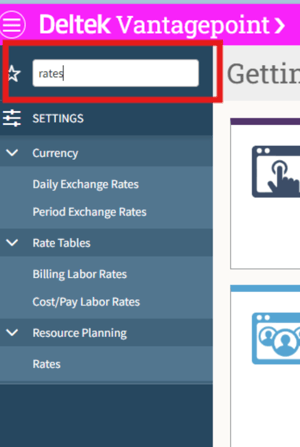
Let’s face it—nobody wants to spend extra time clicking around a complicated interface. One of the first things I noticed and appreciated about Deltek Vantagepoint was its clean and intuitive navigation. Whether I’m jumping between projects, running reports, or updating timesheets, everything feels organized and accessible. The dashboard is customizable, the menus are logically structured, and the search functionality is responsive and smart. That means less time digging for information and more time focusing on work that matters.

07-31 Screenshot 01

2. Autofill Phases in Billing Terms: Small Feature, Big Impact

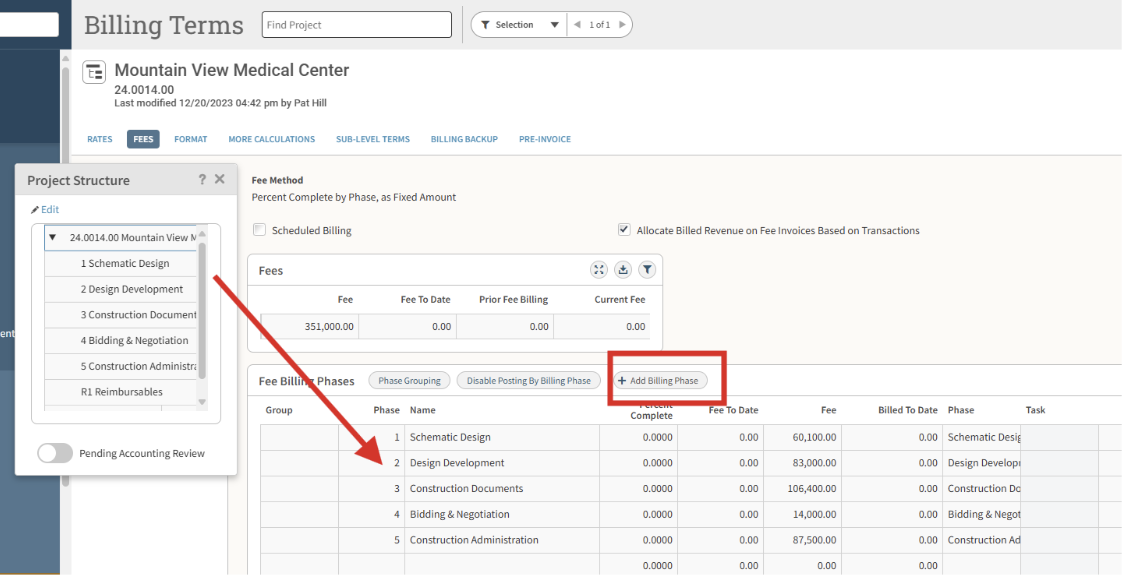
Billing can be one of the more tedious parts of managing projects—especially when every phase has to be manually entered or double-checked. That’s why I love that Vantagepoint includes an Autofill Phases feature in its billing terms. It’s a subtle but powerful tool that automatically populates project phases based on predefined structures. This reduces human error, saves time, and ensures consistency in billing setup across the organization.

07-31 Screenshot 02

3. PTO Approvals Sync with Timesheets and Plans

Keeping timesheets and project plans in sync with approved time off can be a real pain—especially in larger teams. What I appreciate about Vantagepoint is that it automatically adds approved PTO to both timesheets and resource plans. It’s one of those automation features that you don’t realize you need until you have it, and once you do, you can’t imagine going back. It helps prevent scheduling conflicts and gives a more accurate picture of team availability in real-time.

4. More Robust and Flexible Screen Designer

The upgraded Screen Designer in Vantagepoint is another feature that deserves recognition. It allows for greater flexibility in customizing forms and layouts to meet the specific needs of your organization. Whether it’s adjusting fields for data entry, refining the layout for better usability, or creating custom views for different roles, the robust screen designer makes it easier to tailor the system to how your teams actually work.

Final Thoughts

Deltek Vantagepoint isn’t just about tracking time or managing budgets—it’s about making daily tasks smoother, more automated, and less error-prone. From smart billing automation to seamless PTO integration and user-friendly navigation, these features might seem small on their own, but together they add up to a much better user experience.

If you’re using Deltek Vantagepoint, I’d love to hear what your favorite features are. And if you’re thinking about switching platforms, these might be a few good reasons to consider giving it a try.

From Growth Mode to Sustain Mode: What the 2026 Clarity Study Says About Financial Management

Posted by Cindy Cates on Jun 26, 2025 2:34:46 PM

2026-DeltekClarity_BusinessDevelopment_banner


Every year, the Deltek Clarity A&E Industry Study gives architecture and engineering firms something concrete to work with: real data from real firms about what's working, what's stalling, and where the industry is heading. The 47th edition surveyed 896 firms of all sizes and types, and the throughline is clear. This isn't a market that rewards guessing or going through the motions. The firms pulling ahead are the ones making intentional, disciplined decisions at every level of the business.

Over the next few weeks, we're breaking down each section of the report. This week: Business Development.

More work, less reward

Here's the headline: firms submitted 32% more proposals in 2025 than they did the year before. That sounds like momentum. But the median capture rate fell 3.8 percentage points to 44.4% — the lowest it's been since 2019 and the sharpest single-year decline in the nine-year trend.

BD activity is rising, but converting pursuits to projects is becoming harder and more complex. The win rate data adds some nuance — the median slipped to 49% industrywide, but architecture firms were the outlier, actually gaining five points to 45%, likely reflecting tighter pursuit selection in a market where design-led work is more relationship-dependent. Almost nobody got easier wins this year.

Capture rate — the dollar value of proposals awarded relative to the dollar value submitted — makes the picture even clearer. Large firms dropped six points to 34%. Medium firms fell three points. The gap between the top quarter of firms (61.3%) and the bottom quarter (30.2%) is 31 percentage points — a spread that has less to do with market conditions and everything to do with how intentionally firms are choosing which work to chase.

High performers bucked the trend entirely, with their capture rate rising 10 percentage points to 59% while everyone else's fell. Same market, same headwinds, meaningfully better returns. The difference isn't luck or firm size or sector mix. It's the discipline to pursue less and win more.

Some of the decline reflects a market shift toward smaller-value projects — the total value of proposals submitted grew 12% while the number grew 32%, pointing to a lower average project value per pursuit. And a lot of it reflects what happens when more firms are chasing the same work in an increasingly crowded market.

The market itself is changing

It's not just that competition is stiffer — it's that the market opportunity itself is evolving.

Data centers debuted as a new category in this year's study and immediately claimed the top spot: 72% of firms expect to grow their position in that sector over the next 18 months. Energy and power held at 57%. These are sectors that barely registered a few years ago and are now driving significant optimism. Meanwhile, transportation dropped nine percentage points and hospitality continues its post-pandemic retreat. The firms best positioned for this environment aren't waiting for their traditional sectors to rebound — they're building credibility in new ones, which takes time, intentional relationship-building, and a clear-eyed view of where the firm can actually win.

Economic uncertainty compounds all of this. It debuted in this year's survey as a new BD challenge and immediately ranked as the top first-choice concern at 19%. The response isn't to slow down — it's to build a deeper pipeline and invest in positioning now rather than reacting when conditions shift.

Go/no-go decisions have never mattered more

Eighty percent of firms say they use a go/no-go process — but how they use it is shifting. Use for strategic opportunities only grew two percentage points to 32%, and use for all opportunities edged up to 38%. Among firms not yet using the process, 49% are now considering adoption, up from 29% the prior year. That's a meaningful signal.

A well-executed go/no-go process isn't a gate to slow things down. It's a filter that protects the firm's most valuable resource: pursuit capacity. As Daphne Bryant of ACEC put it in the report, it does more than filter opportunities — it aligns the firm's resources, expertise, and relationships with the pursuits that are truly winnable and worth winning.

The key word is data. Go/no-go decisions need to be driven by data-based questions — probability of winning, existing relationships, delivery capacity, fit for the work — not instinct or individual preferences. That's where a well-configured Deltek Vantagepoint environment earns its keep: relationship history, prior win/loss patterns, pipeline load, and delivery capacity all in one place. If your team is still making these decisions off a spreadsheet or a whiteboard, we should talk.

Pre-pursuit intelligence is a competitive edge — and AI is changing how firms build it

One of the most interesting data points in this section: lack of intel to position for a win dropped 15 percentage points — the steepest decline on the entire chart. Firms are getting smarter about the information available to them before they pursue, and AI-assisted tools are a big part of why — BD teams and principals are using them to surface opportunities earlier, qualify pursuits faster, find strategic partners and gather more context before committing resources.

But pre-positioning only works if the administrative burden is low enough to make room for it. That's where tools like Informer and Power BI, connected to Deltek Vantagepoint, pay off — surfacing win rates by sector, capture rate trends, and pursuit stage velocity in dashboards BD leaders can actually use day to day. We helped RTM Engineering Consultants build exactly this kind of visibility into their Vantagepoint environment — read how they did it. When your data is connected, your team spends less time hunting for answers and more time acting on them.

Formalizing the process (without making it rigid)

The share of firms with a formal BD process dipped three percentage points to 46% — worth examining but but not panicking over. As the seller/doer model expands and project managers take on more BD responsibility, a rigid step-by-step process often doesn't fit how the work gets done. The goal is practical frameworks — flexible enough to work across different markets and client types, consistent enough to create real pipeline visibility.

Vantagepoint has the infrastructure to support all of this — opportunity stages, pipeline reporting, relationship tracking, proposal history — but most firms are only using a fraction of it because the system wasn't configured with their specific workflow in mind. Full Sail Partners consultants work through exactly this with firms. Check out this demonstration on CRM in Vantagepoint to get the ideas flowing, then let's talk about building it around how your firm actually works.

The seller/doer model is thriving — and putting real pressure on project managers

The blended seller/doer model leads at 48%, and the seller/doer-only model holds second at 40%. Among high performers, seller/doer adoption rose nine percentage points to 55% — the clearest signal that top-performing firms are integrating BD responsibility into technical roles rather than siloing it. The reason is straightforward: clients want to talk to the people who will actually do the work.

But the model comes with real tension. Project managers edged down five percentage points to 14% "almost always responsible" for BD — a pullback that likely reflects what the industry already knows: the demands on PMs are often unrealistic. Cross-training for BD ranked third among top initiatives at 36%, up four points — a positive investment, but training alone doesn't solve a capacity problem.

The firms getting this right build structured time for BD into the PM role. And they invest in reducing friction in the tools. Project managers who can log a contact, update an opportunity stage, or check pipeline status inside the same system where they manage projects are far more likely to actually do it. If your PMs find BD tasks burdensome, that's often a workflow problem more than a motivation one. Our team can help.

The bottom line

The 2026 Clarity data on Business Development tells a consistent story: the environment rewards discipline, not volume. What separates high performers is a sharper, more intentional approach — to which pursuits they chase, how they position for them, and how they deploy the people responsible for bringing work in.

But discipline doesn't come from willpower alone. It comes from having the right data in front of the right people at the right time. That's what a well-configured Deltek Vantagepoint environment delivers — not just a system of record, but a foundation for smarter decisions across the entire BD lifecycle.

Full Sail Partners works with A/E/C firms at every stage — from first-time Vantagepoint implementations to established practices looking to get more out of a system they've had for years. We've seen the full picture, and we know where the gaps tend to show up. If you're ready to make your data work harder for your BD team, let's talk.

Next up in the series: Project Management. We'll dig into how firms are managing delivery pressure, what the data says about the most challenging phases of the project lifecycle, and where technology is creating the biggest opportunities.


Full Sail Partners’ Outsourced Accounting Evaluation Process and Services Offered

Posted by Erin Haver on Oct 3, 2024 12:00:00 AM

10-03-24 Outsourced Accounting Services_Banner

At Full Sail Partners, we understand the intricate demands of running a successful business. And a major part of running a successful business is managing your financials with precision, accuracy, and efficiency. To help you achieve this key component to sustained growth, Full Sail Partners offers a full-service accounting practice that is tailored to your professional services firm’s unique needs. So, let’s discuss the first steps and then take a comprehensive look at the outsourced accounting services Full Sail Partners provides to ensure your business stays on course.

First Steps

Our team of highly skilled bookkeepers and accountants will evaluate your current systems and processes by way of navigational analysis. By reviewing your professional services firm’s standard operating procedures, not only are we able to get a better understanding of what your unique needs may be, but we are also able to provide ways of streamlining systems and offer possible solutions to outdated workflows. We can then work together to create a customized schedule of services that will help lead to improved financial management and greater efficiency within your professional services firm.

Outsourced Accounting Services Offered

Centralized Communication & Information Exchange

Full Sail Partners maintains a dedicated MS Teams site and email address to facilitate safe and secure communication and information exchange. Whether it's sensitive bank deposit information, EFT/ACH files, AP Vouchers or Disbursements, project revisions, or invoicing, simply forward all relevant communications to your safe and secure client-specific email. Our team will manage these items in an efficient and timely manner.

Deltek Info Center/Hub Maintenance

Our Info Center (Vision)/Hub (Vantagepoint) maintenance services keep your professional services firm's critical information up to date and organized.

  • Firms (Contacts, Clients, and Vendor Records): We can revise or create new firms, ensuring that all details such as contact/client/vendor names, numbers, addresses, and any additional contact information you may need are accurate.
  • Employees: From adding new hires to managing job cost rates, banking, and termination details, we can handle all employee-related data.
  • Projects: We can manage the setup of new projects based upon signed agreements, or revision of existing projects with change orders - including contract information, billing terms, and status updates.
  • Accounts & Account Group Tables: We can create and maintain General Ledger Accounts and Account Group tables, ensuring accurate GL tracking and reporting.

Timesheet Management

We can ensure prompt and accurate timesheet postings, providing detailed labor reports by employee and Month to Date/Year to Date utilization reports, all in accordance with your submission policies (weekly, biweekly, semimonthly, or monthly).

Expense Report Processing

Our Expense Report services include payment review, posting, processing, and EFT/ACH file creation for seamless online banking upload. Detailed employee ledger reports can be provided upon request.

Accounts Payable Management

Our Accounts Payable services cover voucher and disbursement entry, scheduled AR Ledger reporting, cash requirements tracking, and paper and electronic payment processing. We can provide EFT/ACH file creation and posting of check payments allowing the client to print checks in-office.

Accounts Receivable Management

We can manage daily cash receipt posting (including paper, credit card, and ACH) as well as client invoice adjustments as necessary. Rate Table maintenance is also available to ensure accurate project reporting.

Invoicing/Billing Management

We manage monthly invoicing in alignment with each project’s contract terms and specific Project Manager requirements.

Employee Benefit Accrual

We can manage payroll entry in accordance with your firm’s payroll schedule (bi-weekly, monthly, specific date(s), etc.) as well as manage employee benefit accruals in accordance with your company policies. We are also able to handle the annual opening of new benefit years.

Month End Processing

Our month-end services include journal entries, bank and credit card reconciliation, and financial report generation such as balance sheets, income statements, and detailed General Ledger reports. We can also manage the opening and closing of accounting periods.

Project & Project Management Reporting

We are able to provide comprehensive project management reporting, including weekly project details, earnings reports, and unbilled detail reports to keep your projects financially on track.

Year End Processing

Our year-end services include 1099 initialization, the opening of new benefit years, and generating 1099 PDF files to be printed, mailed, and filed with the IRS by your firm.

Specialized Services

We additionally offer specialized services such as revenue generation, salary job cost adjustments, and overhead allocation to enhance the accuracy and efficiency of your financial operations.

Ready to Improve your Professional Services Firm’s Financial Management?

At Full Sail Partners, we are committed to providing a complete suite of accounting services tailored to your business needs. Our team undergoes regular and extensive training, including Deltek Pros certification, ensuring that your financial operations are managed with precision and care. This allows you to focus on what you do best - growing your business. Let us help you navigate the complexities of financial management, so you can sail smoothly towards success.

Top 5 Deltek Vantagepoint Mini-Demos of 2023

Posted by Evan Creech-Pritchett on Dec 28, 2023 12:00:00 AM

Client Newsletter_Banners-02

As Full Sail Partners launches another exciting new year, we thought it would be a great time to reflect back on the Top 5 Deltek Vantagepoint Mini-Demos of 2023! Chosen for their popularity, they showcase cutting-edge features that have resonated with users across diverse roles in professional services firms. Each leverages the expertise of our various presenters to create a profound impact on your use of Deltek Vantagepoint. Whether project managers, finance experts, or sales and marketing leaders, these mini-demos were designed to elevate your proficiency with Deltek Vantagepoint. So, without further ado, here are the top 5 mini-demos of 2023! 

#5: Finance & Project Accounting Oversight in Deltek Vantagepoint Dashboards 

Kicking us off at number 5 we have "Powering Project Success with Deltek Vantagepoint – Finance & Project Accounting Oversight in Deltek Vantagepoint Dashboards." In this demo, Theresa DePew, Senior Finance Consultant, showcases the transformative potential of Vantagepoint dashboards. She provides insights into navigating critical financial metrics such as revenue, expenses, and profitability. Theresa's expertise ensures that you not only gain a comprehensive understanding of these dashboards but also acquire the skills to make informed decisions and take proactive measures in managing your finances and projects adeptly. 

Some of Theresa’s favorite dashparts, including Profit & Loss (P&L), Accounts Receivable (AR), Cash Receipts, Billing Review, and Draft Invoice Approval, are featured prominently in this mini demo. These dashparts serve as integral tools, offering quick snapshots of income statements, simplifying collection tracking, and streamlining billing processes. Use this Deltek Vantagepoint mini demo to learn how to enhance your skills and leverage the ultimate tool for success in project management. 

#4: Different Ways to View & Manage Resources in Deltek Vantagepoint 

Learn the capabilities of Deltek Vantagepoint's Resource View with our fourth most popular mini-demo, "Powering Project Success with Deltek Vantagepoint – Different Ways to View & Manage Resources in Deltek Vantagepoint." Here, Principal Consultant, Terri Agnew, demonstrates how to make Resource View an essential asset in your resource management toolkit. 

She guides you through the three distinct capacity views offered by this powerful tool. Explore Planned Hours for a simplified understanding of your team's scheduled workload, utilize Scheduled % to identify resource allocation through a heat map, and delve into Utilization % to effectively track resource utilization against targets. This mini demo offers the insights needed to optimize your team's scheduling and utilization with Deltek Vantagepoint. 

#3: Utilize Schedule Dependencies for Resource Planning 

Coming in at our third most popular mini-demo is "Powering Project Success with Deltek Vantagepoint – Utilize Schedule Dependencies for Resource Planning." This time, Terri shows you how pivotal schedule dependencies can be for resource planning. This mini demo takes you through the creation of four distinct types of dependencies and illustrates three different methods for applying dependency relationships between phases, tasks, and labor codes. 

Terri also explains how schedule dependencies empower you to build meaningful relationships within your project, providing a holistic view of the overall schedule. This mini demo not only demonstrates the practical application of these features but also emphasizes their significance in easily updating schedules as dates change allowing you to elevate your project management capabilities. 

#2: Maximizing Efficiency and Accuracy in Invoice Creation with Vantagepoint's Mark-Up on Draft Invoices Feature 

For our second most popular spot, we have the mini-demo "Powering Project Success with Deltek Vantagepoint – Maximizing Efficiency and Accuracy in Invoice Creation with Vantagepoint's Mark-Up on Draft Invoices Feature." Here, Theresa DePew, Senior Finance Consultant, demonstrates the prowess of Deltek Vantagepoint's mark-up on draft invoices feature, showcasing how it can streamline your invoice review process, minimize errors, and enhance overall efficiency. The mark-up feature enables quick additions or removals of items, fee adjustments, and the inclusion of notes or comments for additional context.  

In this mini-demo, Theresa guides you through the creation of a draft invoice, demonstrating how to mark-up items, adjust fees, and incorporate vital notes, ensuring your clients receive comprehensive and accurate information. Also spotlighted are time-saving techniques such as reusing common billing items and tracking invoice status and history. See how Deltek Vantagepoint's mark-up on draft invoices feature can elevate your billing process and contribute to more effective client relationship management.  

#1: Project Management Oversight in Deltek Vantagepoint Dashboards 

Last, but certainly not least, we have "Powering Project Success with Deltek Vantagepoint – Project Management Oversight in Deltek Vantagepoint Dashboards” at our number 1 spot! In this mini demo, our expert, Rana Blair, Principal Consultant, demonstrates how these dashboards can revolutionize your workflows and provide invaluable insights. Whether you're a project manager, finance or project accounting professional, or a sales and marketing guru, this mini demo is tailored to focus on specific areas of business, driving your success to new heights. 

The number one rated mini demo offers visibility into crucial metrics such as budget, schedule, and resource allocation, allowing you to identify potential issues and take proactive steps to keep your projects on track. Rana also points out her favorite dashboards and dashparts, including My Team’s Project Performance Dashboard, My Project Performance Dashboard, and My Project Percent Complete Entry from Dashboards. Get crucial insights into budgets, schedules, and resources to elevate your project management game. 

Powering Your Project Success in 2024 

Now that you’ve been able to review the Top 5 Deltek Vantagepoint Mini-Demos of 2023, it is an ideal time to choose what topics best fit your professional services firm. Whether you're needing to sort out your finances, manage resources, create invoices, or keep tabs on projects, these top five mini-demos can help ensure you get better at fully utilizing your Deltek Vantagepoint system in the new year. They are available to watch on demand, and as always, Full Sail Partners would love to assist you in further exploring these Deltek Vantagepoint features.  

To find these mini demos as well as the others that are part of our Powering Project Success with Deltek Vantagepoint click the image below. 

How Professional Services Firms Benefit from Multicompany in Deltek Vantagepoint

Posted by Scott Gailhouse on Oct 12, 2023 12:00:00 AM

10-13-23  Benefits of MultiCompany_Banner rev02

Within Deltek Vantagepoint lies an extremely useful tool that, when enabled and configured, allows a professional services firm to manage multiple companies within a single Deltek Vantagepoint database. However, the benefits of multicompany functionality seem to elude many professional services firms that would gain the most from its capabilities. So, in this blog, let’s delve into this multicompany functionality and discuss why, when, and how firms should use this fantastic feature.

Why Use Deltek Vantagepoint Multicompany?

Basically, the need for a multicompany environment comes down to the ability to track entities with separate tax ID numbers in a single Deltek Vantagepoint database. Some of the scenarios that require multicompany management include:

  • Banking relationships
  • Investments and/or holding company requirements
  • Tax reporting
  • Professional licensing requirements
  • Foreign country reporting requirements

Additionally, the need for intercompany billing can occur when two or more related companies make payments on behalf of the other companies. The most common reason for intercompany billing is the sharing of labor resources between companies that have separate payrolls and/or vendor payments for another related company.

When a professional services firm decides to utilize multicompany functionality, it is recommended that sub-ledgers be enabled to track the due to and due from, and clear intercompany balances. With multicompany enabled, users can use both the Accounts Payable and Accounts Receivable aging reports for intercompany balances.

First Determine the Internal Pricing Structure

Upon implementing multicompany functionality in Deltek Vantagepoint, professional services firms must first determine what internal pricing structure to adopt. The options are:

  • Re-class only - moves the transaction to intercompany Accounts Receivable/Accounts Payable at cost
  • Project Centric - leaves the transaction on the books of the project’s company with some amount of compensation also moving to keep the loaning organization whole
  • Employee Centric - moves the transaction back to the employee’s company with some amount of revenue moving back as well
  • High Accountability – which uses a work breakdown structure (WBS) to manage transactions and point directly to the company that owns the transaction

Keep in mind that there is considerable flexibility within the options above. Different methods can be configured for different transaction types. Also, by order of operation, the distinct options can be overwritten at the individual company level or by the project at the lowest WBS level.

Intercompany billing makes accounting’s job easier regarding multicompany transactions. When transactions are made to projects not in the home company (the company where the transaction is being posted), invoices and vouchers are created through a series of postings that are reflected in the general ledgers (GLs) of the respective companies. These invoices and vouchers also appear on the Accounts Receivable and Accounts Payable aging reports noted above. The Accounts Payable and Accounts Receivable balances can then be cleared by using the standard check processing and cash receipt routines.

More Benefits of Multicompany

Using Deltek Vantagepoint’s multicompany functionality provides another benefit to firms with consolidated reporting. Consolidated reporting allows a view of the performance of all the companies within the database. Consolidated groupings can represent all companies or a cross-section of companies depending on the needs of company leadership. The consolidation process incorporates standard eliminations of configured control accounts and client-defined accounts, such as capital investments in related companies. Consolidations are “memo” entries and are not posted to the GL.

A multicompany database permits each company to maintain a unique GL while still only creating one set of shared GL account numbers. Furthermore, professional services firms can restrict GL account numbers, and other master records can be shared and/or restricted as well. Vendors (managed in the Vantagepoint Firms Hub) can be shared across the enterprise. However, the accounting tab is company-specific for account number and 1099 purposes.

In addition to the benefits mentioned above, the multi-currency application works in tandem with multicompany to allow companies to have a unique functional currency – the currency the company does business in. This is an excellent feature for professional services firms that work internationally. Lastly, the consolidation process can include Generally Accepted Accounting Principles (GAAP) compliant currency translations and gains/losses entries.

Take Advantage of Deltek Vantagepoint Multicompany Functionality

Is the multicompany functionality in Deltek Vantagepoint the right fit for your professional services firm? Don't leave it to guesswork. Schedule a Navigational Analysis with Full Sail Partners today. We'll help you assess your firm's unique needs and guide you in determining if the multicompany feature is the best solution for you. Dive deeper, make informed decisions, and ensure your firm sails smoothly towards success. Contact us now and let's chart the best course for your business!

Project Management Trends from the 44th Annual Deltek A&E Clarity Study

Posted by Evan Creech-Pritchett on Oct 5, 2023 12:00:00 AM

10-05-23 Deltek Clarity Recap-PM Trends_Banner2

Full Sail Partners has been closely following the annual Deltek Clarity Architecture and Engineering Industry Study, and in our previous blogs, we've delved into various aspects of this comprehensive report. As we continue our exploration of this year's 44th Annual Deltek Clarity study, we shift our focus to the critical realm of project management within the architecture and engineering (A&E) industry. This sector struggles with numerous challenges daily, and the study offers valuable insights into the current trends and issues affecting project managers. In this blog, we will dissect key findings from the study, particularly homing in on project management challenges and the strategic initiatives poised to address them. 

Project Management Challenges 

In the ever-evolving realm of architecture and engineering, project management is the linchpin of success. However, it's not without its formidable challenges. In this section, we'll delve into these critical challenges, from gaining better visibility into KPIs to grappling with staffing shortages. Furthermore, we will discuss strategies for overcoming them to achieve project management excellence. 

Visibility into Project Management KPIs: Project managers grapple with obtaining clear insights into key performance indicators (KPIs) and the tools required to manage them effectively. This issue affects project performance and client satisfaction. 

Projects on or Ahead of Schedule: 59.76% of projects are on track for schedule and budget. Despite this, staffing challenges continue to persist and impact project outcomes. 

Competing Priorities: A&E firms with well-defined roles, responsibilities, and efficient tools are better equipped to manage project resources. Quality control hubs, such as Centers of Excellence (CoEs) and Project Management Offices (PMOs), are instrumental in driving best practices. 

Staff Shortages: The industry continues to struggle with hiring and retaining skilled staff, with 62% of firms identifying it in their top 3 concerns. Offering tools, training, and attractive work cultures can help attract and retain next-generation project managers. 

Project Management Solutions 

Navigating the intricate landscape of project management in the architecture and engineering industry demands not just an understanding of the challenges but also the strategies to overcome them. In this section, we'll explore proactive solutions that address the industry's top project management challenges. From upskilling and training to streamline project management to harnessing collaborative platforms for improved effectiveness, and investing in technology for seamless connectivity, we'll unravel the keys to project management success.  

Addressing Top Project Management Challenges: To overcome these challenges, A&E firms are reducing their reliance on new project manager hires. Instead, they are focusing on upskilling, training, promotion, and formal career development planning to maintain productivity and deliverable quality. 

Project Management Effectiveness: Staffing issues, strong pipelines, and backlogs combined with increased staffing costs and skill gaps can hinder project management effectiveness. Collaborative platforms and regular training can help bridge these gaps. 

Connecting Teams and Using Systems: A common challenge is connecting all relevant teams on the same platform and ensuring employees use these systems correctly. This requires investment in technology and proper training. 

Project Management KPIs 

Effective project management necessitates careful planning and monitoring through various KPIs. While financial KPIs such as net revenue, profitability, and multipliers are well-tracked, there's room for improvement in non-financial KPIs like client satisfaction, schedule variance, and earned value.  

Balancing Financial and Non-Financial KPIs: Top financial KPIs like net revenue, profitability, and multipliers continue to be tracked by most firms at 94%, 93% and 83% respectively. However, firms showed less reliance this year on the non-financial KPIs like client satisfaction and earned value, at only 36% and 18% of firms tracking these statistics. Achieving a balance between financial and non-financial KPIs is essential for successful project management. Focusing solely on financial metrics can lead to oversight of critical project aspects. 

Project Reporting Accuracy: While A&E firms are gaining confidence in reporting project costs accurately, there's still room for improvement in reporting project schedules. Accurate schedule reporting is crucial for project success. 

Project Management Initiatives 

As the architecture and engineering industry continues to evolve, it's imperative to not only identify challenges but also to proactively address them through strategic initiatives. In this section, we will explore how A&E firms are taking forward-looking steps to enhance project management. These initiatives encompass investing in internal project management expertise, defining roles more clearly, and harnessing the power of technology and software tools to pave the way for a more efficient future in project management.  

Investing in Internal Project Management: A key priority for A&E firms is investing in internal project management, replacing the focus on hiring more qualified staff. Developing best practices and clearly defining roles for project management are also top priorities. 

Leveraging Technology: While technology can provide substantial support in project management, only a small percentage of firms are prioritizing investments in better software tools. Maximizing the value of existing tools and technology is crucial. 

Facing Challenges with Project Management Head on  

The A&E industry faces ongoing challenges in project management, including visibility into KPIs, staffing shortages, and maintaining project schedules and budgets. However, A&E firms are proactively addressing these challenges by investing in training, upskilling, and improved project management processes. Balancing financial and non-financial KPIs, accurate reporting, and leveraging technology will be essential for future success in the industry. By nurturing a culture of continuous improvement and transparency, A&E firms can enhance project management effectiveness and, ultimately, client satisfaction. 


Latest Posts